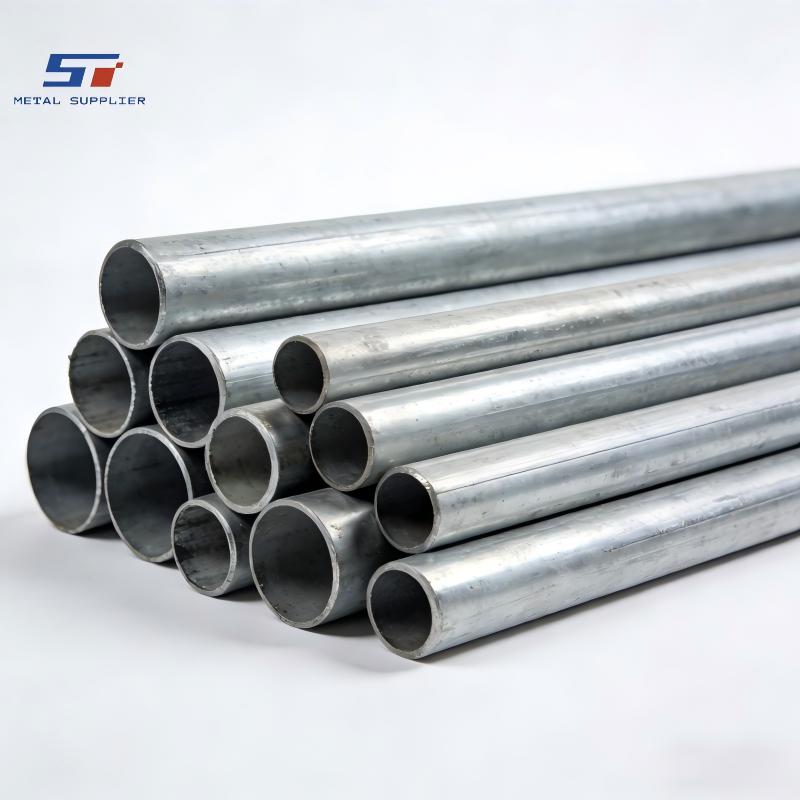
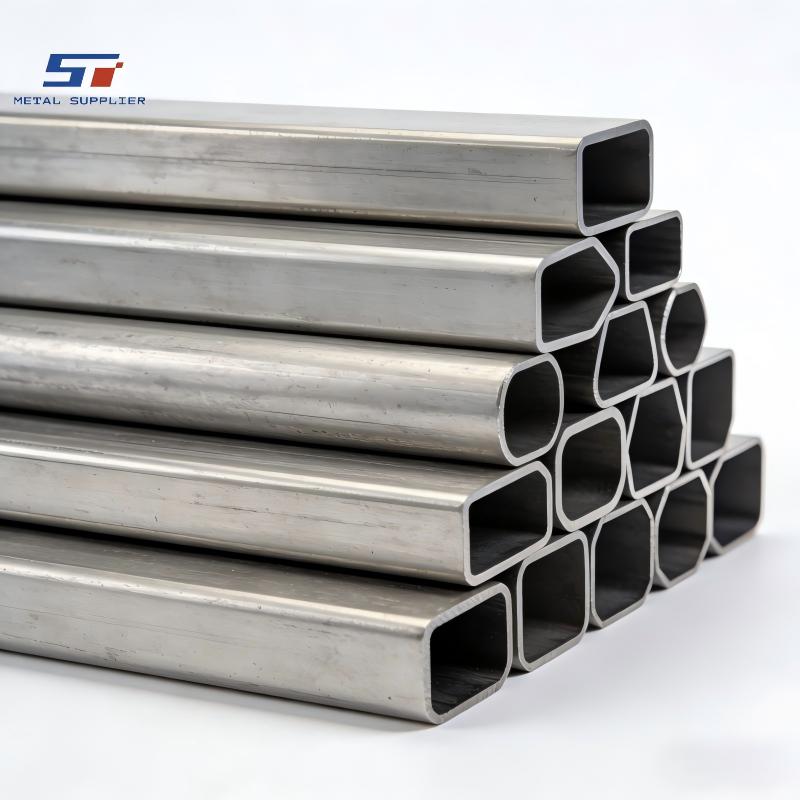
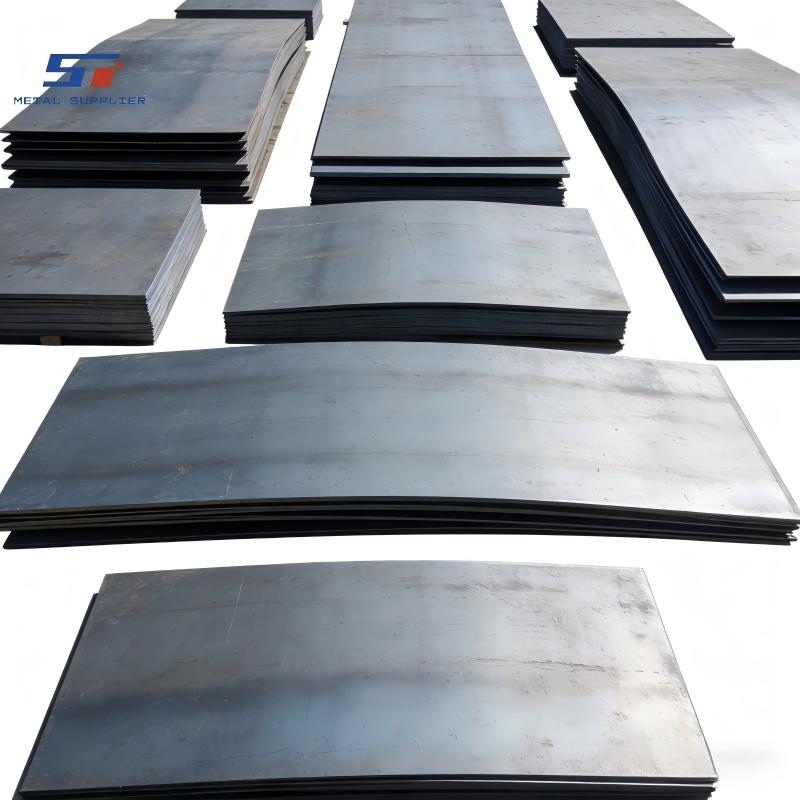
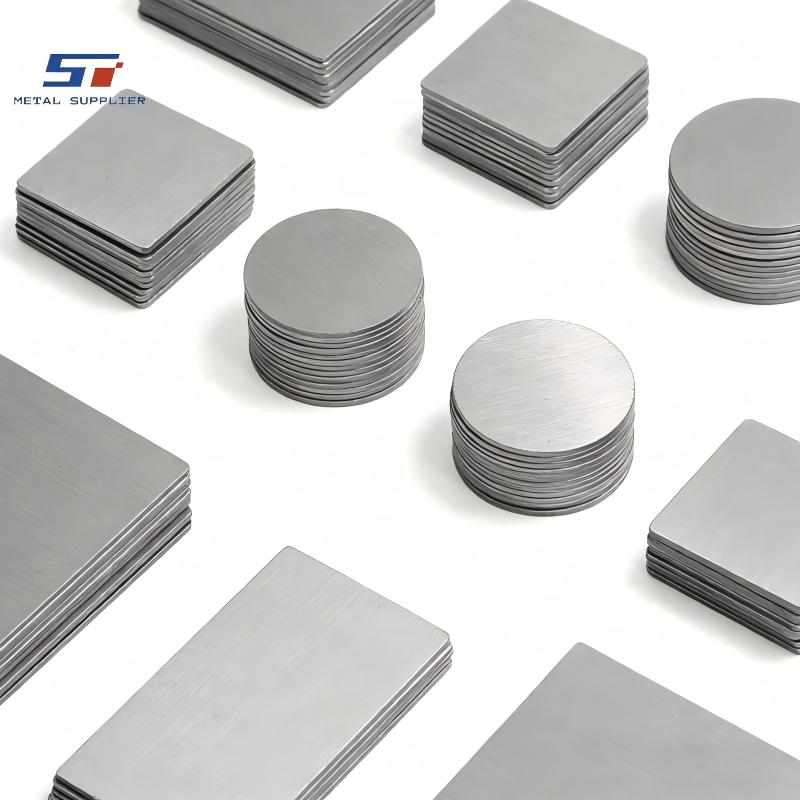
Shengtao Metal is currently implementing a new set of internal guidelines focused on the management and verification of Material Test Certificates (MTCs). This initiative is part of a broader effort to enhance material traceability and ensure that all steel products supplied by the company—including pipes, plates, and structural sections—meet the increasingly rigorous documentation requirements of the global industrial market. In high-stakes sectors such as oil and gas, power generation, chemical processing, and large-scale infrastructure, the MTC is a critical document that provides a permanent record of a material’s chemical and physical properties. The new guidance is designed to standardize how these certificates are collected, reviewed, and archived, providing a more reliable and transparent foundation for quality assurance across all projects.
The guidance addresses the fundamental importance of the MTC as the "technical identity card" of a steel product. Every batch of steel produced at a mill is accompanied by a certificate that details the results of various tests performed during the manufacturing process. These typically include a heat analysis of the chemical composition, tensile testing for yield and ultimate strength, elongation measurements, and various non-destructive tests such as ultrasonic or hydrostatic testing. Under the new protocols, the company’s quality team will follow a more structured approach to reviewing these documents as they arrive from the mill. This review is intended to ensure that the data on the certificate aligns perfectly with the standards and supplementary requirements specified in the customer’s purchase order, such as ASTM, EN, or JIS. Any discrepancy, however small, must be flagged and resolved with the mill before the material is cleared for shipment to the customer.
A key focus of the new guidance is the clear distinction between different levels of certification, specifically the differences between EN 10204 type 3.1 and type 3.2 certificates. A 3.1 certificate is issued by the manufacturer’s own quality department, which must be independent of the production department, while a 3.2 certificate requires verification and counter-signing by an independent third-party inspector or the customer's representative. The internal guidance provides clearer instructions for staff on when each type of certificate is required based on the project’s risk profile and how to coordinate with third-party agencies for 3.2 inspections. This is a vital area for many projects where regulatory compliance and insurance coverage depend on the independent verification of the material’s integrity. By clarifying these processes, the company aims to reduce the administrative complexity for its clients and ensure that the correct level of documentation is always provided from the outset.
The project also involves the modernization of the company’s digital archiving and retrieval system for material certificates. In the past, managing thousands of paper-based or loosely organized digital files could lead to delays when a customer requested a copy of a certificate months or years after a project was completed. The new guidance introduces a centralized digital database where every MTC is linked to a specific batch number, heat number, and customer order. This system is designed to allow for rapid retrieval of documents, ensuring that traceability is maintained throughout the entire lifecycle of the material. This digital-first approach also facilitates the sharing of certificates with customers in various formats, allowing them to integrate the data into their own project management, maintenance, and asset integrity systems. This ensures that the documentation is as durable as the steel itself.
Internal training and technical literacy are significant components of the new guidance rollout. Staff members in the sales, warehouse, and quality departments are participating in workshops to better understand how to read and interpret complex MTCs. This includes learning how to identify key indicators of material quality and performance, such as the carbon equivalent (CEV) value, which is critical for determining weldability, or the grain size and impact energy values, which affect the material's toughness in cold environments. By improving the technical literacy of the team, the company ensures that everyone involved in the supply chain understands the significance of the documents they are handling. This collective knowledge is seen as a vital safeguard against the accidental shipment of materials with incomplete, incorrect, or mismatched documentation.
The guidance also covers the management of "secondary" certificates and supplementary reports, such as those for protective coatings, heat treatments, or specialized non-destructive testing performed after the material has left the mill. For many modern projects, a pipe or structural section is not just a piece of steel; it is a complex system that includes anti-corrosion layers, specialized end preparations, and specific mechanical modifications. The new protocols ensure that all these additional processes are documented with the same level of rigor as the base metal itself. This comprehensive approach to documentation provides a full, uninterrupted picture of the material's history, from the initial melt in the furnace to the final delivery at the customer’s site. This level of detail is increasingly required for safety auditing and insurance verification in heavy industries.
One of the more challenging aspects of certificate management addressed in the guidance is the handling of multi-item orders where products may come from different heats, different production runs, or even different mills. In such cases, the coordination team must ensure that every individual item in a shipment is matched with its specific MTC. The new guidelines introduce a more robust cross-referencing system that uses heat numbers and part numbers stamped, stenciled, or tagged on the physical material to verify its documentation. This physical-to-digital link is the ultimate check in the traceability process, ensuring that the paper record and the physical product are always in sync. This reduces the risk of onsite rejection by the customer's quality inspectors, which can otherwise lead to lengthy delays while wait for the correct documentation to be located or re-issued by the mill. Furthermore, the guidance specifies that for critical applications, the heat numbers must remain legible throughout the entire fabrication process, requiring specialized marking pens or metal tags that can withstand the heat of welding or the abrasion of sandblasting.
While the new guidance is primarily an internal tool for process improvement, it reflects Shengtao Metal’s commitment to transparency, accountability, and professional service. In an industry where the origin and quality of materials are under constant scrutiny, providing clear and verified documentation is a way to build long-term trust with international partners and contractors. The company understands that for its clients, a missing or incorrect material certificate is not just an administrative error; it can be a significant project risk that leads to site-level delays, expensive re-testing costs, or even regulatory fines. By providing a more reliable and professional approach to material certificate management, the company is helping to ensure the success and safety of the industrial projects it serves. This initiative is a clear signal to the market that Shengtao Metal values technical integrity and is dedicated to meeting the highest standards of professional documentation. As the global regulatory landscape becomes more stringent, with new requirements for carbon footprint reporting and ethical sourcing, the ability to maintain a comprehensive and accurate material record will be a significant competitive advantage for both the company and its customers. This update is not the end of the journey but a significant step toward a fully digital, transparent, and auditable steel supply chain that can meet the most demanding requirements of the 21st-century industrial economy.
Contact Shengtao Metal for Steel Product Solutions
If you are looking for reliable steel and metal product solutions, feel free to send us your inquiry.
Simply provide your specifications such as material grade, dimensions, quantity or application, and our team will respond quickly with professional support and a competitive quotation.
Email: stsalesman4@stmetal001.com