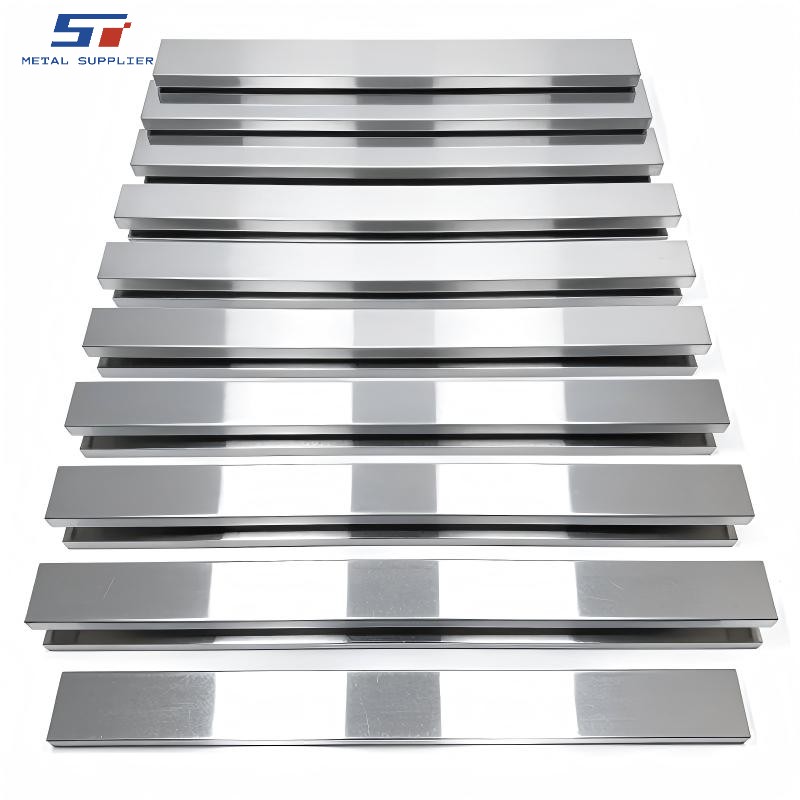
Nel 2025, Shengtao Metal ha collaborato con un produttore di apparecchiature di produzione automatizzate per realizzare una serie di telai di supporto personalizzati in acciaio inossidabile per un nuovo progetto di ampliamento di una linea di assemblaggio. Il cliente è specializzato nella progettazione di sistemi di movimentazione robotizzati e celle di produzione intelligenti per i settori dell'elettronica e della produzione di precisione. Nell'ambito di un'iniziativa di modernizzazione dello stabilimento, necessitava di telai strutturali in grado di supportare nastri trasportatori, bracci robotici, stazioni di ispezione e quadri elettrici di controllo, garantendo al contempo un'eccellente stabilità dimensionale e resistenza alla corrosione.
A differenza delle strutture saldate standard, questi telai di supporto fungevano da base per apparecchiature altamente automatizzate. Ogni superficie di montaggio, foro per bullone e interfaccia strutturale doveva allinearsi con precisione ai componenti a valle. Anche piccole deviazioni dimensionali potevano compromettere l'installazione delle apparecchiature, la calibrazione dei robot o le prestazioni complessive della linea di produzione.
Il progetto ha incluso revisione ingegneristica, taglio laser, lavorazione CNC, piegatura di precisione, saldatura, correzione dimensionale, finitura superficiale, ispezione finale e imballaggio per l'esportazione. Integrando tutti i processi di fabbricazione in un unico flusso di lavoro produttivo, Shengtao Metal ha consegnato telai completi pronti per l'installazione al loro arrivo presso la sede del cliente.
Il cliente ha fornito modelli 3D dettagliati e disegni di assemblaggio relativi a otto configurazioni di telai di diverse dimensioni. Sebbene ogni modello fosse destinato a una sezione diversa della linea di produzione automatizzata, tutti condividevano diversi requisiti tecnici comuni.
I telai dovevano possedere una rigidità strutturale sufficiente a supportare apparecchiature in funzione continua, riducendo al minimo le vibrazioni durante il movimento robotico. Le superfici di montaggio dovevano essere altamente piane per garantire un'installazione precisa delle guide e dei moduli di posizionamento. La posizione dei fori doveva corrispondere alle interfacce delle apparecchiature del cliente senza richiedere modifiche in loco.
Inoltre, il cliente ha richiesto un materiale resistente alla corrosione, adatto ad ambienti di produzione esposti a prodotti chimici per la pulizia e a umidità controllata. Anche l'aspetto delle saldature era importante, poiché alcune parti della linea di produzione sarebbero rimaste visibili all'interno dello stabilimento, a testimonianza dell'importanza che il cliente attribuisce alla qualità delle attrezzature e all'immagine aziendale.
Un altro requisito fondamentale riguardava l'intercambiabilità. Ogni telaio prodotto in serie doveva mantenere dimensioni costanti, in modo che i team di assemblaggio potessero installare le apparecchiature senza dover regolare singolarmente ogni struttura.
Revisione ingegneristica e pianificazione della produzione
Prima dell'inizio della produzione, il team di ingegneri di Shengtao Metal ha condotto un'analisi completa della fattibilità produttiva.
Il progetto originale prevedeva numerose giunzioni saldate, piastre di rinforzo, supporti di montaggio lavorati e fori di collegamento forati con precisione. Gli ingegneri hanno analizzato ogni fase di fabbricazione per migliorare l'efficienza produttiva mantenendo al contempo le prestazioni strutturali.
Durante la fase di pianificazione del processo sono stati introdotti diversi miglioramenti.
La sequenza di saldatura è stata ottimizzata per ridurre la distorsione termica bilanciando l'apporto di calore lungo la struttura del telaio. Alcune piastre di rinforzo sono state leggermente riposizionate per migliorare l'accessibilità alla saldatura senza compromettere la resistenza meccanica.
Sono stati incorporati sovraccarichi di lavorazione nelle superfici di montaggio critiche in modo da poter completare la finitura di precisione dopo la saldatura, garantendo l'accuratezza dimensionale nonostante gli inevitabili movimenti termici.
Sono stati inoltre progettati appositi dispositivi di assemblaggio per garantire un posizionamento costante durante l'intero processo di fabbricazione.
Il cliente ha scelto l'acciaio inossidabile ASTM A240 Tipo 304 per il progetto.
Questo materiale ha offerto un eccellente equilibrio tra resistenza alla corrosione, resistenza meccanica, saldabilità e rapporto costo-efficacia per applicazioni di automazione industriale in ambienti interni.
Il progetto ha utilizzato molteplici forme materiali, tra cui:
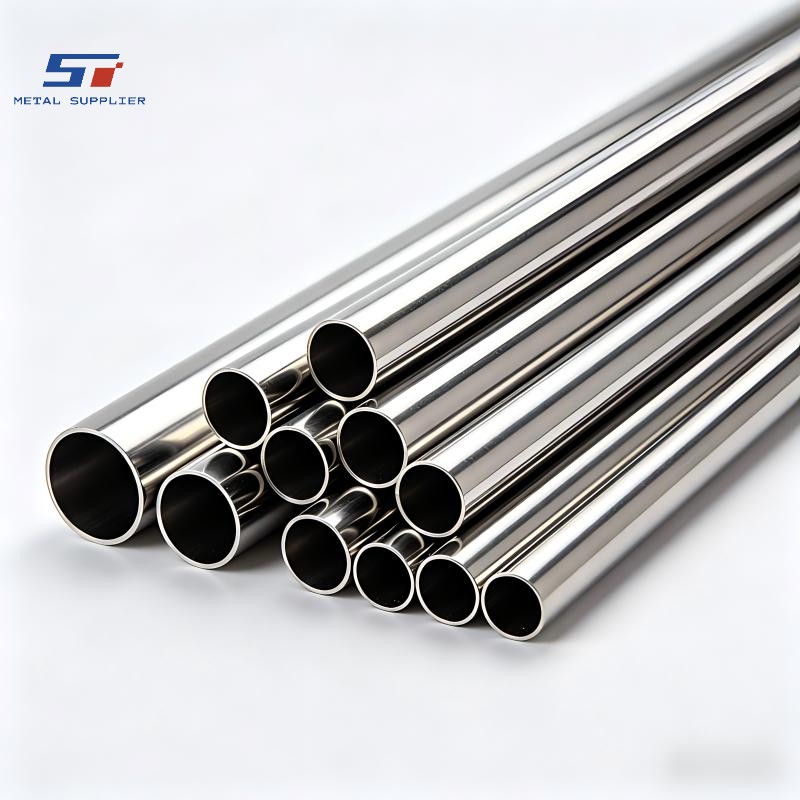
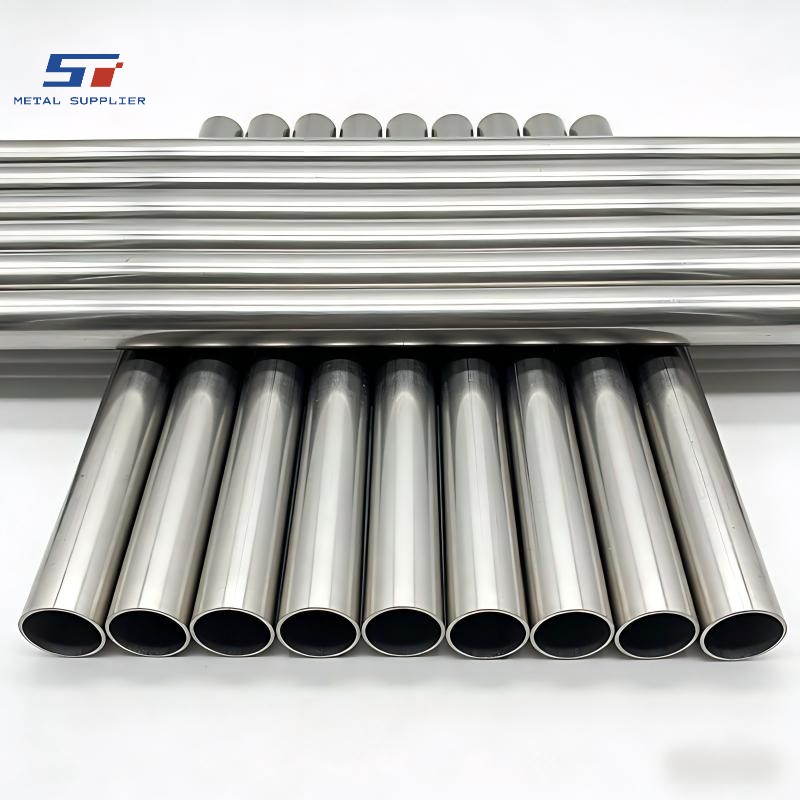
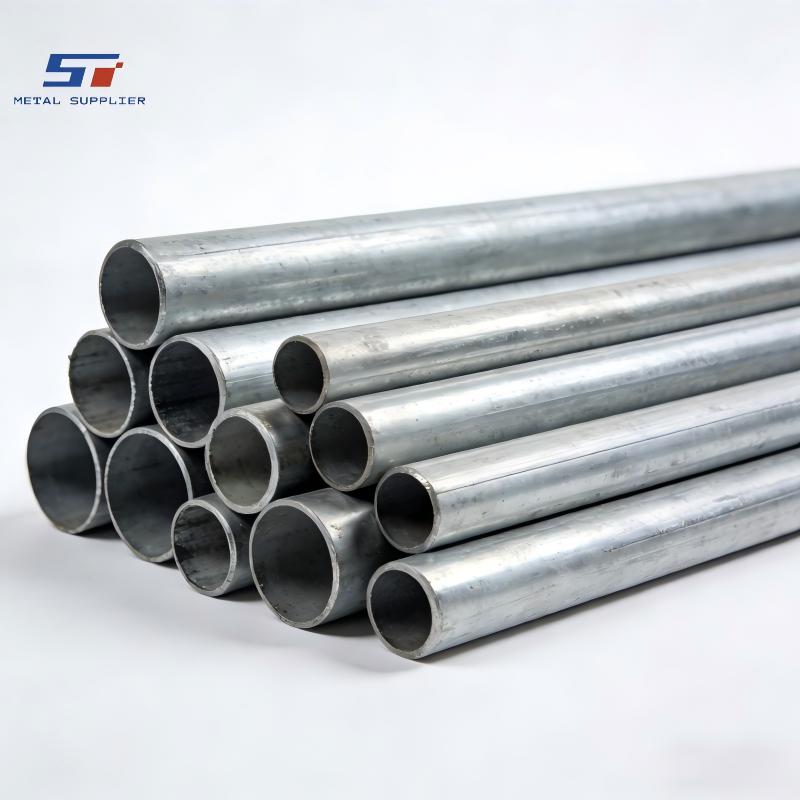
- tubi quadrati in acciaio inossidabile
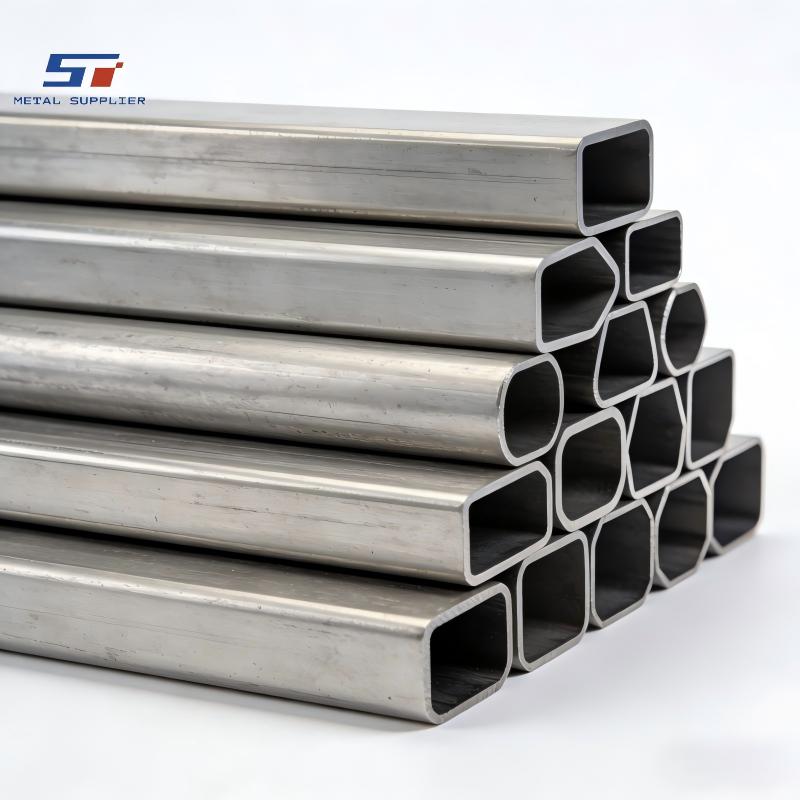
- Sezioni cave rettangolari
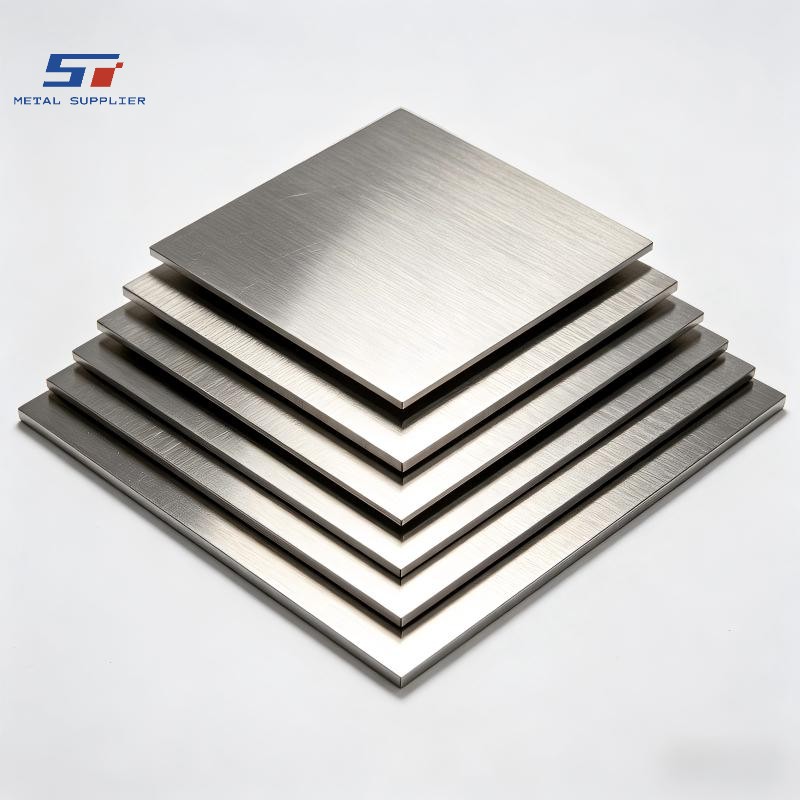
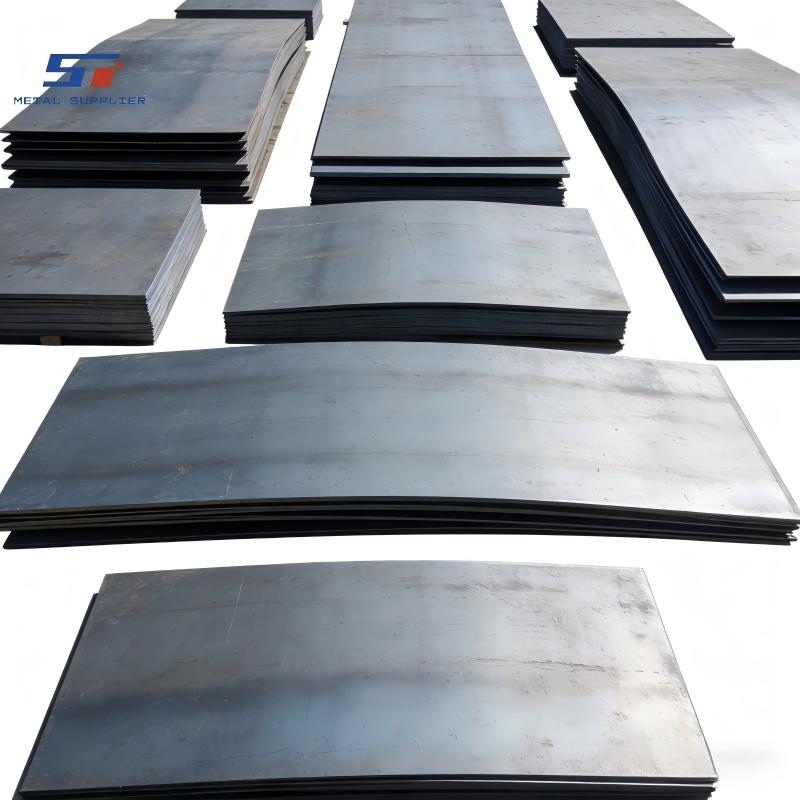
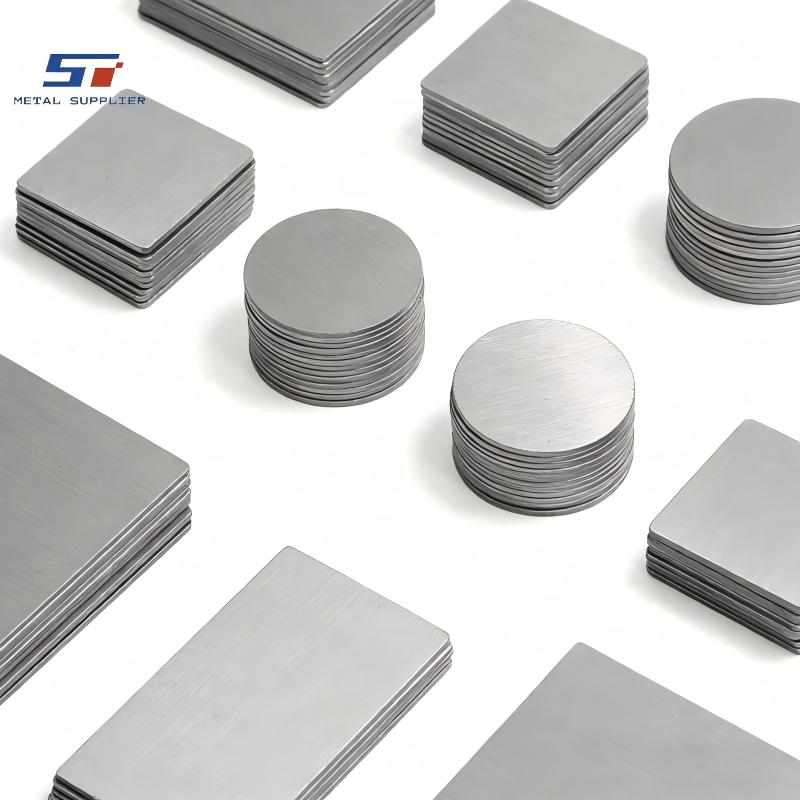
- Piastre in acciaio inossidabile
- Blocchi di montaggio lavorati
- Staffe di rinforzo
Ogni lotto di materiale in entrata è stato sottoposto a ispezione per verificarne:
- Certificazione dei materiali
- Dimensioni
- Condizioni superficiali
- Rettilineità
- Tracciabilità del numero di colata
Il mantenimento della completa tracciabilità ha supportato i requisiti interni di gestione della qualità del cliente.
Taglio laser e preparazione dei componenti
La produzione è iniziata con il taglio laser a fibra CNC di piastre strutturali e staffe di collegamento.
Il taglio laser ha garantito bordi netti, dimensioni uniformi e una preparazione precisa dei componenti da saldare.
Dopo le operazioni di taglio, i singoli pezzi sono passati attraverso le seguenti fasi:
- Sbavatura
- Preparazione dei bordi
- Marcatura identificativa
- Ispezione dimensionale
Alcuni elementi strutturali che richiedevano interfacce di assemblaggio precise sono stati successivamente trasferiti a centri di lavoro CNC per la foratura, la fresatura di scanalature e la preparazione delle superfici di montaggio prima dell'assemblaggio del telaio.
La preparazione accurata dei componenti in questa fase ha ridotto la variazione dimensionale cumulativa durante i successivi processi di fabbricazione.
Saldatura e assemblaggio di precisione
L'assemblaggio del telaio ha rappresentato la fase tecnicamente più impegnativa del progetto.
Poiché le strutture saldate sono naturalmente soggette a dilatazione e contrazione termica, il controllo della deformazione è diventato un obiettivo ingegneristico primario.
Shengtao Metal ha utilizzato dime in acciaio dedicate, progettate specificamente per ogni configurazione del telaio.
Questi dispositivi di fissaggio mantenevano l'allineamento dei componenti, consentendo al contempo un movimento termico controllato durante la saldatura.
I saldatori certificati hanno seguito procedure di saldatura approvate che bilanciavano le sequenze di saldatura lungo il telaio, anziché completare un lato prima dell'altro.
Questo approccio bilanciato ha ridotto al minimo le tensioni residue e migliorato la coerenza dimensionale.
Dopo la saldatura, ogni telaio è stato sottoposto a raffreddamento controllato prima del controllo dimensionale.
Le saldature visibili sono state accuratamente pulite e rifinite per garantire un aspetto uniforme, preservando al contempo l'integrità strutturale.
Lavorazione CNC dopo la saldatura
A differenza di molti progetti di fabbricazione strutturale, questa applicazione ha richiesto lavorazioni meccaniche di precisione dopo la saldatura.
Le superfici di montaggio critiche per apparecchiature robotiche e sistemi di guida lineare richiedevano una precisione superiore a quella che la sola saldatura poteva garantire.
Ogni telaio completato veniva trasferito a un centro di lavoro CNC di grande formato dove venivano eseguite le operazioni finali, tra cui:
- Fresatura superficiale
- Pentola finita
- Lavorazione della filettatura
- Verifica dei dati
- lavorazione del basamento di montaggio
L'esecuzione di queste operazioni dopo la saldatura ha garantito che tutte le dimensioni critiche rispecchiassero la geometria finale della struttura assemblata.
Questo approccio ha migliorato significativamente la precisione dell'installazione presso la sede del cliente.
Ispezione dimensionale e controllo qualità
Le procedure di controllo qualità sono state integrate in tutto il processo produttivo.
Ogni telaio è stato sottoposto a ispezione in diverse fasi di produzione, tra cui:
- Ispezione dei componenti prima dell'assemblaggio
- Verifica dimensionale della saldatura
- Ispezione finale della lavorazione CNC
- Misurazione complessiva del telaio
- Esame visivo della saldatura
-
Per verificare le dimensioni critiche sono state utilizzate apparecchiature di misura a coordinate di grandi dimensioni e sistemi di misurazione laser.
I principali criteri di ispezione includevano:
| Caratteristica | Requisito |
|---|
| Lunghezza totale del telaio | ±0,5 mm |
| Posizione del foro di montaggio | ±0,10 mm |
| Planarità della superficie | ≤0,15 mm |
| Quadratura diagonale | ±0,30 mm |
| Precisione di montaggio della guida | ±0,05 mm |
Ogni spedizione era accompagnata da un rapporto di ispezione a supporto delle procedure di accettazione da parte del cliente.
Finitura superficiale e confezionamento
In seguito all'ispezione, tutti i telai sono stati sottoposti a una pulizia completa per rimuovere residui di saldatura, oli di lavorazione e contaminanti di produzione.
Le superfici a vista sono state rifinite con un aspetto spazzolato uniforme, secondo le specifiche del cliente.
Sulle superfici lavorate e sui fori filettati sono state installate delle coperture protettive per evitare danni durante il trasporto.
Poiché diverse cornici superavano i tre metri di lunghezza, è stato sviluppato un imballaggio personalizzato per l'esportazione, al fine di ridurre al minimo i movimenti durante la spedizione internazionale.
In ogni cassa di spedizione sono stati incorporati supporti antiurto e materiali protettivi contro l'umidità per preservare l'integrità dimensionale durante il trasporto.
Il progetto è stato completato nell'arco di quattro mesi di produzione.
Le prestazioni finali del processo produttivo includevano:
- Numero totale di telai di supporto fabbricati: 126 unità
- Conformità dimensionale complessiva: 99,4%
- Tasso di rilavorazione delle saldature: inferiore all'1%
- Richieste di modifica dell'installazione: zero
- Percentuale di consegne puntuali: 100%
- Tasso di accettazione da parte dei clienti all'arrivo: 100%
Il cliente ha riferito che l'installazione è proceduta in modo più efficiente rispetto ai precedenti progetti di espansione delle attrezzature, poiché ogni telaio si è allineato correttamente con i moduli robotici e i sistemi di trasporto senza richiedere regolazioni in loco.
I tempi di messa in servizio delle apparecchiature sono stati ridotti di circa il 20%, consentendo alla linea di produzione di entrare in funzione prima della data prevista.
L'approccio di fabbricazione integrata ha fornito diversi vantaggi a lungo termine.
L'esecuzione di taglio laser, lavorazione meccanica, saldatura, finitura e ispezione all'interno di un unico stabilimento produttivo ha ridotto i ritardi di comunicazione ed eliminato le incongruenze dimensionali tra i diversi fornitori.
La sequenza di saldatura ottimizzata ha ridotto al minimo la distorsione strutturale, mentre la lavorazione CNC post-saldatura ha garantito interfacce di montaggio precise per le apparecchiature di automazione.
L'elevata uniformità produttiva ha semplificato la manutenzione futura, poiché i moduli di ricambio potevano essere installati direttamente sulle strutture esistenti senza ulteriori modifiche.
Offrendo servizi di fabbricazione completi nell'ambito di un unico progetto, Shengtao Metal ha anche ridotto la complessità degli approvvigionamenti e migliorato l'efficienza della catena di fornitura per il cliente.
Questo progetto evidenzia l'importanza di combinare la fabbricazione di precisione con capacità di lavorazione avanzate nella produzione di componenti strutturali per apparecchiature di produzione automatizzate.
Grazie a un'attenta pianificazione ingegneristica, a procedure di saldatura controllate, alla lavorazione CNC post-saldatura e a un'ispezione di qualità completa, Shengtao Metal è riuscita a produrre telai di supporto in acciaio inossidabile che soddisfano i rigorosi requisiti di precisione dimensionale, stabilità strutturale e affidabilità a lungo termine.
Con la continua espansione dell'automazione industriale nei vari settori manifatturieri, le strutture di supporto realizzate con precisione rimarranno un elemento fondamentale per sistemi di produzione efficienti, affidabili e scalabili. I produttori in grado di integrare competenze di fabbricazione, lavorazione meccanica e ingegneria in un'unica soluzione saranno ben posizionati per supportare la prossima generazione di progetti di produzione intelligente.
Contatta Shengtao Metal per soluzioni di prodotti siderurgici
Se siete alla ricerca di soluzioni affidabili per prodotti in acciaio e metallo, non esitate a inviarci la vostra richiesta.
È sufficiente fornire le specifiche, come il tipo di materiale, le dimensioni, la quantità o l'applicazione, e il nostro team risponderà rapidamente con assistenza professionale e un preventivo competitivo.
E-mail: stsalesman4@stmetal001.com